
In the digital-first era, a website is more than an online presence—it is the core of your brand, credibility, and conversions. Web design and optimization work together to ensure a site not only looks visually appealing but also performs efficiently, loads fast, and guides users toward action. For businesses and digital marketing firms, a well-optimized website is the foundation of online success.
What Is Web Design and Optimization?
Web design focuses on the visual structure, layout, colors, typography, and overall user interface of a website.
Web optimization ensures the site performs at its best—improving speed, usability, accessibility, and conversion rates.
Together, they create websites that are user-friendly, search-engine friendly, and business-driven.
Why Web Design & Optimization Matter
A poorly designed or slow website can instantly drive visitors away. Optimized web design helps:
Create strong first impressions
Improve user engagement and trust
Reduce bounce rates
Increase conversions and leads
Support SEO and paid advertising performance
For digital marketing firms, web optimization directly impacts campaign success—every click matters.
Key Elements of Effective Web Design


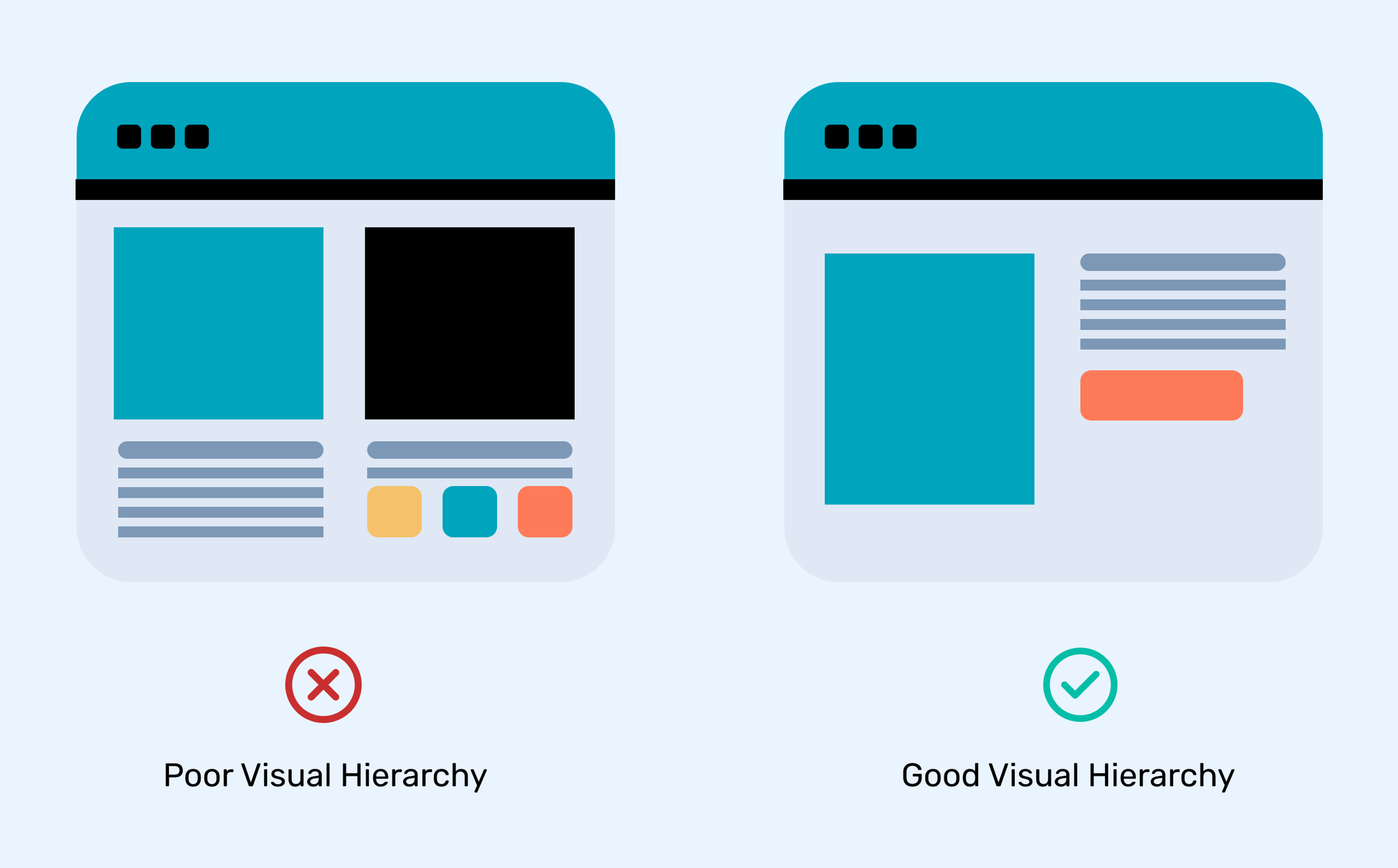
1. User-Centric Design (UI/UX)
A great website is built around the user. Clear navigation, intuitive layouts, and logical content flow ensure visitors can find what they need quickly and effortlessly.
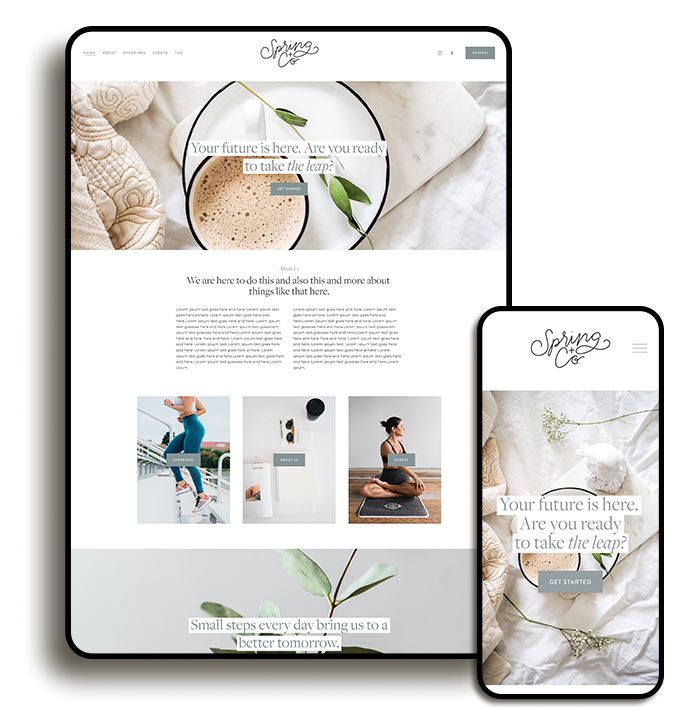
2. Responsive & Mobile-First Design
With the majority of traffic coming from mobile devices, responsive design is essential. Websites must adapt seamlessly across smartphones, tablets, and desktops without compromising functionality or aesthetics.
3. Visual Consistency & Branding
Consistent use of colors, fonts, and imagery strengthens brand identity and builds trust. Clean, modern design enhances credibility and keeps users engaged.
Website Optimization: Turning Visitors into Customers


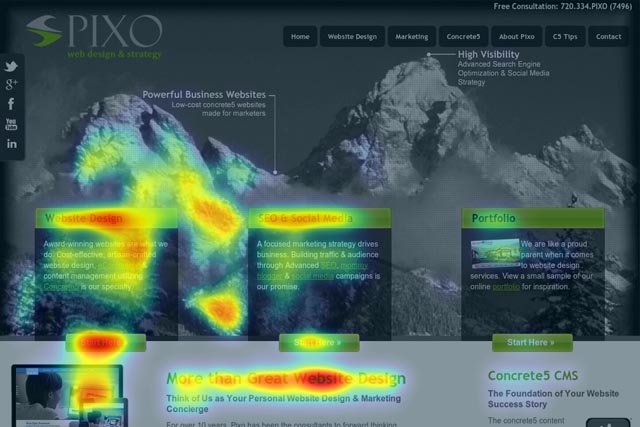
1. Speed & Performance Optimization
Fast-loading websites improve user experience and search rankings. Optimizing images, code, and server performance reduces load times and keeps users engaged.
2. SEO-Friendly Structure
An optimized website supports SEO through:
Clean URL structures
Proper heading hierarchy
Optimized images and metadata
Internal linking for better crawlability
Web design and SEO must work hand in hand for maximum visibility.
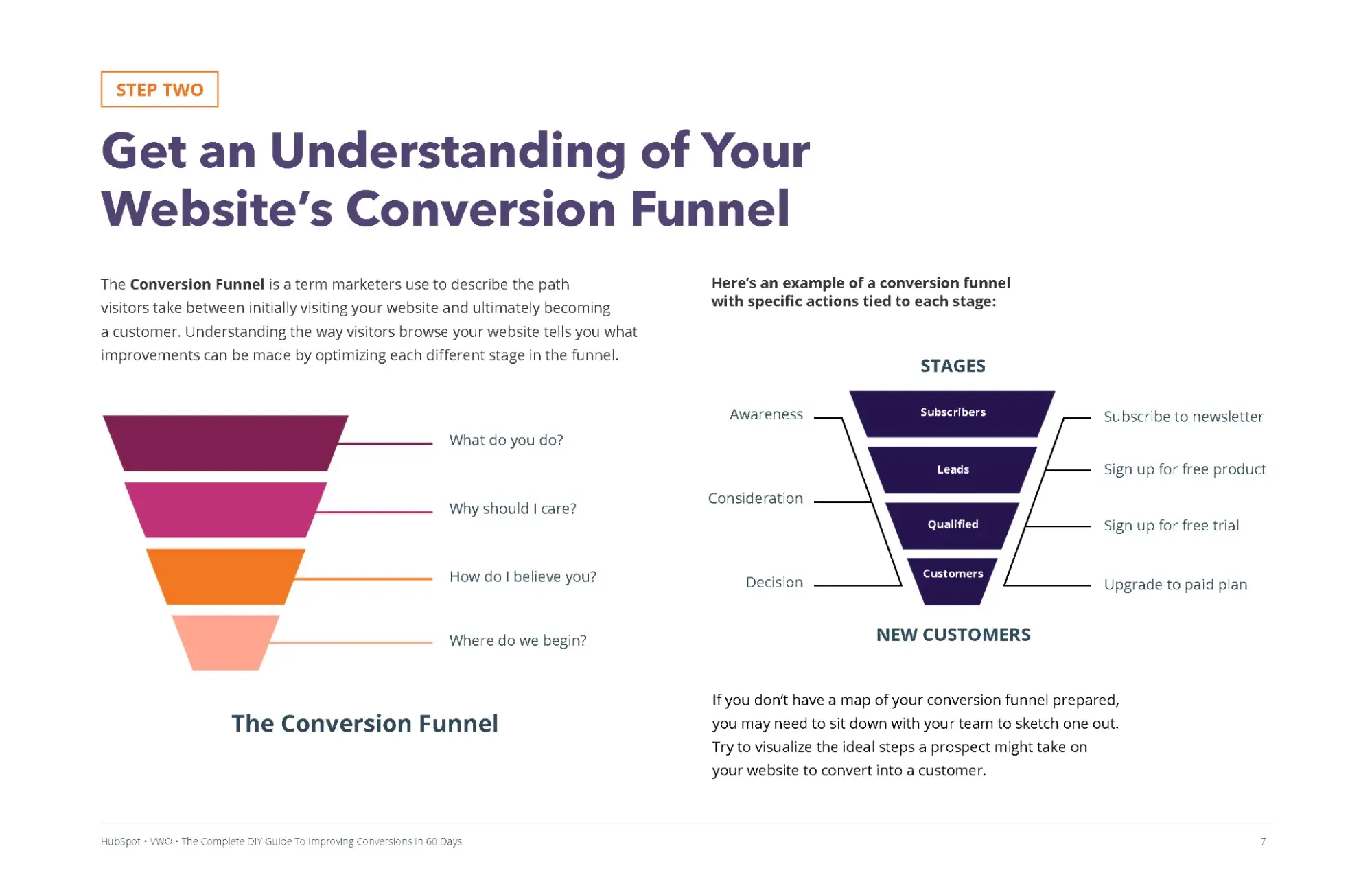
3. Conversion Rate Optimization (CRO)
Strategic placement of CTAs, simplified forms, trust signals, and clear messaging help convert visitors into leads or customers. Optimization focuses on results, not just traffic.
Web Design as a Growth Tool
A well-designed and optimized website acts as a 24/7 sales and marketing asset. It supports SEO, PPC, content marketing, and social media efforts while providing users with a seamless brand experience.
Final Thoughts
Web design and optimization are not one-time tasks—they are ongoing processes that evolve with user behavior, technology, and business goals. A website that combines aesthetic appeal with performance-driven optimization stands out in a crowded digital space.
For brands aiming to grow online and digital marketing firms delivering measurable results, web design and optimization are the true foundation of digital success.
Lorem ipsum dolor sit amet, consectetur adipiscing elit. Ut elit tellus, luctus nec ullamcorper mattis, pulvinar dapibus leo.